Regenerative Livestyle Blog


Leave a comment

Wanaka community is a pioneer in sustainability and regeneration

From iconic Wastebusters shaping Wanaka and New Zealand zerowaste future to Te Kakano reforesting our area with thousands of volunteers for 15 years, to WAO inspiring and empowering the community in yearly Festivals, many ecofriendly businesses, the Regenerative Wanaka Facebook page and the QLDC Climate and diversity action, our active community is loving and caring for the place, often choosing a lifestyle in harmony with nature.

View our Here – Us – Now List here send us a note if you believe your business or organization should be included.

WAO Summit

Coming up in October, WAO Summit is a great inspiring and galvanising festival in Wānaka.

I will talk about:
1- low-carbon, resilient, biodiversity-enhancing lifestyle at household level
2- beyond individual action, how to foster regeneration at district level.

Exciting!

Beautiful Gardens of Wanaka

Our guided garden tours are a great complement to this thriving sustainability culture, showcasing outstanding private gardens, a unique way to share garden beauty and connection with the place and people. Great activity for manuhiri/visitors, our tours also benefit locals presenting local gardeners’ best practices for Central Otago special conditions (frost, heat, draught, rabbits…)

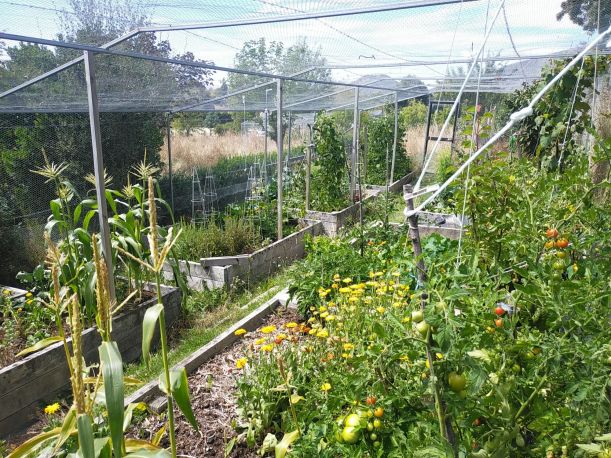
New this season is our educational tour featuring biodiversity attributes and practices to adapt to our current climate crisis era, demonstrating how to regenerate land and gardens in harmony with nature. The property showcased on this tour is an inspiring example of sustainable living with forest and regeneration, food growing, beautiful flowers fostering biodiversity, entirely run without fossil fuels… Come and learn how it’s done.

The business is carbon neutral, already achieving the local tourism industry carbon zero goal. I believe it is worth sharing how this is achieved.


Leave a comment

Calendula wonders

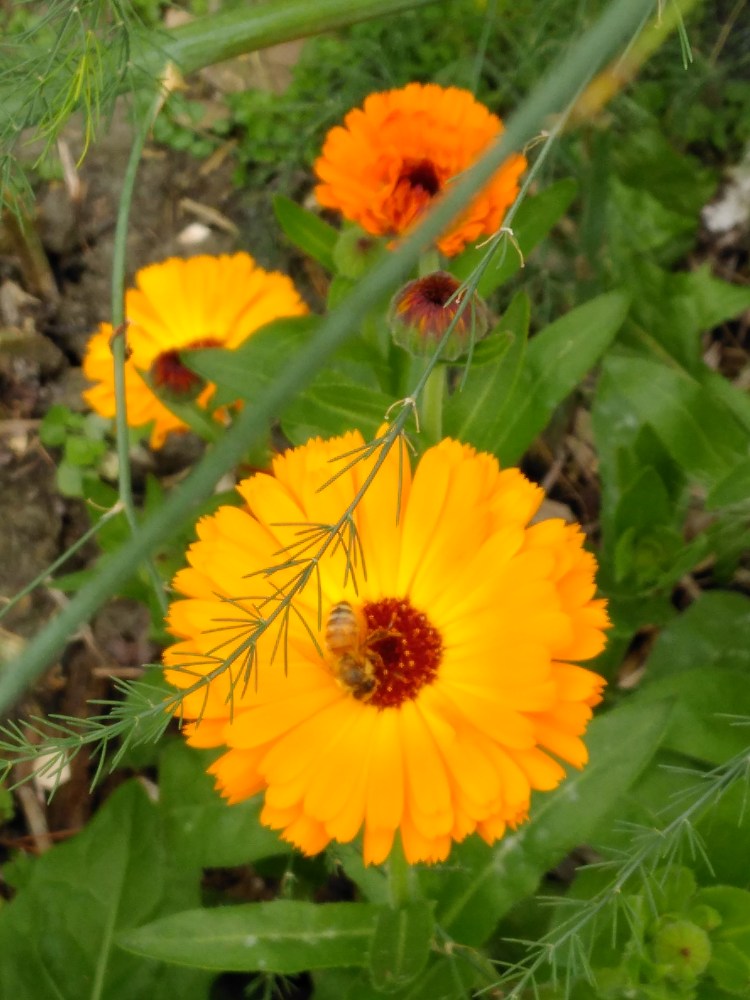
We love Calendula, the English Marigold. Orange beauty, it brightens the veggie patch, flower gardens and other corners. The Calendula name comes from the word Calendar and I think it is because it flowers every month of the year! Easy to cultivate, we use it as companion plant, in salad, tea and skin ointments.

Culture

Calendula is an annual, rustic plant, forming 40 to 60cm compact plants.
Large yellow to orange flowers will bloom all year round and massively from October to frosts. 

Seed in autumn or spring in full sun or partially shadowed. They grow anywhere, even in poor soil, even in our dry and frosty climate. After flowering, the heads become seed heads, easy to snap off for esthetics or keep for seeds.

They self seeds easily and can be replanted where wanted. They are also very easy to pull out when we need the space, they won’t come back from the roots.

Companion plant

Calendula attracts and feeds insects when no other flowers are available thereby enhancing biodiversity.
They attracts natural predators to aphids (ladybirds, hoverflies…);
Their roots hold good nematodes for a healthy soil.

We cultivate calendula in the veggie garden, one plant in each raised bed to attract favourable insects.

They also grow everywhere in our flower beds, filling in the gaps and adding their joyful colours.

How we use it

Comestible plant, we add petals to salads to brighten them up.
I add some petals in the “garden tea” but not leaves as I find them quite bitter.

I make a beauty oil: I harvest nice fresh parts of the plant, leaves, flowers and stalks, cut roughly and macerate for several weeks in a variety of oils (sweet almond, grapeseed, avocado, apricot kernel…). Then it is simply strained and funneled into a glass jar with a dropper lid. I used to make a cream with beeswax but it was longer and quite messy so I simplified to oil. Of course we can add essential oils to perfume and help our skin, lavender, geranium or rose. I sometimes mix cistus leaves and flowers into the oil maceration, cistus is good for aging skin!

Medicinal uses 

Its Latin name is calendula officinalis and for good reason. My Maria Treben’s Cures book (Steyr: Ennsthaler, 2000) has 2 pages on it. Here is a summary:

Depurative, blood-cleansing, purifying, stimulating for blood, antiseptic. Also the plant of the skin, wonderful for wound healing. 

Drink two cups per day of calendula herbal tea to help cure jaundice, wounds, digestive illnesses, intestine or liver or stomach pain, colitis, dropsy, and hematuria. Calendula herbal tea is ideal to help with all viral and bacterial infections. Also effective vermifuge and laxative. Calendula herbal tea applied on eyes helps vision.

Some recent study show good results with cancer, skin cancer, breast cancer, stomach and ulcers. In this case, fresh plant juice is more effective.

In cream or oil ointment, calendula is wonderful for skin. From post-chirurgical wounds to fungus, blues, strains, scars, piles and varicose veins, sunburns, dryness, age pigmentation, also purulent or swelling wounds.

Calendula TM is a powerful antiseptic and helps skin recovery. It can be used on any wounds and post-natal or postoperative situations: infant umbilicus, lesions, sore… 

Good to know and beautiful to grow!

A pharmacy in your garden!


1 Comment

Gardening in Harmony with Nature Classes

Regenerative Lifestyle WORKSHOPS

Spring series, 6 Saturday mornings, 4 Nov – 9 December 23

  • Are you interested in taking care of your property in harmony with nature?
  • Do you want to regenerate your lifestyle property or garden without fossil fuels?
  • Do you love a healthy natural life?
  • Do you ask yourself “what would nature do?”?

Learn more than you expect with garden guide and regenerative lifestyle practitioner, Florence Micoud, in a relaxed atmosphere in the beautiful inspiring garden she is a grateful kaitiaki / caretaker of.

Contact Florence 02102792481 for more info or booking.

  • 6 sessions Saturdays 9am-12 pm starting 4 November
  • 3 to 7 Participants
  • Price: $240pp – $210pp with Community Service Card or Duet
  • Location: Namaste Park and Garden, 2 hectares of climate positive lifestyle block run in harmony with nature in Wanaka.
  • Level: Beginner, intermediate
  • Bring: Gloves, notebook+pen, jar+box for takeaways

Details of the sessions

Each session includes : 

+ Informative tour
+ Activity
+ Q&A
+ Stretch
+ Takeaways (garden goody & recipe)

Contact me 02102792481 for more info or booking, limited space

I’m looking forward to share garden and nature beauty and knowledge with you in spring,
it’s going to be awesome!

Florence


Leave a comment

From Lawn to Meadow

Lawn practice is changing. Public reserves are mowed less often. Many urban garden owners keep an unmowed strip of grass for biodiversity.

Lawns use up to 75% of household water use, they use and leach fertilizer and as all monocultures, lawns are not conducive to biodiversity… Not regenerative! 

Let’s revisit our views on lawns https://phys.org/news/2022-09-experts-lawns.html

In the news at the end of October 2022, lawns being a big contributor to climate change – there was a call to dig up some lawn to plant #trees, save on energy (to mow the lawn), on fertilizers and on water.

To regenerate more, why not plant a veggie patch (to reduce food km), mow just a footpath, grow bee friendly flowers… All adds to biodiversity, reduce carbon use and the noise for the neighbours, specially with an electric ride on lawn mower!

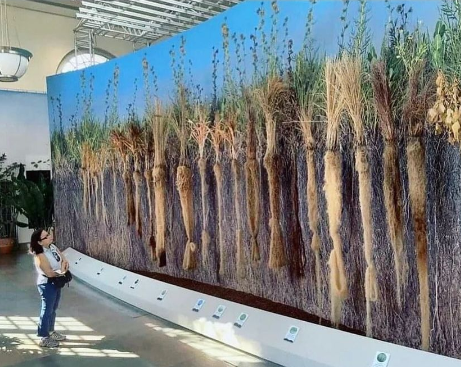
Grass roots act like sponge, they absorb water and retain it, reducing flooding and irrigation needs. From The Secret Life of Roots exhibition by US Botanic Garden

We grow a meadow

Here in the park of our property, once a compacted pasture grazed by horses, the grass has been growing for 15 years. It hasn’t been mowed nor cut nor eaten.

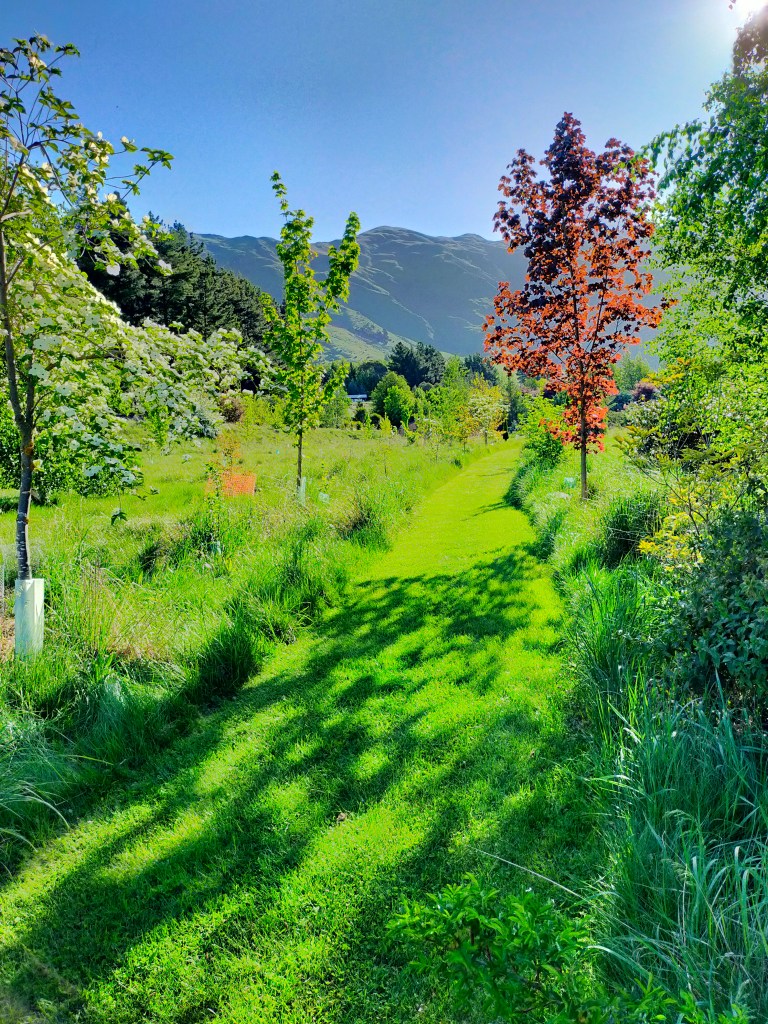
We mow footpaths with our new electric ride on lawnmower. Much more silent than the petrol one, clean and free to run, at the same price. All the mowing is done in one hour on a 2.5 hectares property.

Every winter the grass is drying and flattening. Healthy new grass grows through it in spring and summer. And it breaks down in the winter.  It is creating a thick mattress. The land is regenerating. 

  • deep brown rich soil, 
  • absorbing rain and keeping moist in summer, 
  • less work, less energy use, less noise,
  • more and more insects and skinks therefore birds

We observe that our meadow evolves over time. After 15 years, some patches remain green even in the heat of the summer when every unirrigated land is fawn. It’s beautiful and lush. It is a soft big sponge!

While it clearly absorbs carbon and water, as there is a visible improvement of the soil and biodiversity, we have no data.

The Zirkle study says unmowed uneaten grass can absorb from 25gr to 204gr of carbon per m2 per year, depending on conditions, that’s 40000m2 to 4900m2 to absorb a tonne of Carbon per year. That’s quite significant although still very vague.

I am looking for more information on how much carbon does grass capture when left to grow (not grazed, not mowed), decompose and regrow. Let me know!

We love our grass

Grass growing is a natural process creating an abundant source of matter. So we use it.

We keep a row of tall grass between the flower borders and the footpath: it holds the mulch and leaves what the birds usually scatter. Grass grows and hides the rabbit fences. 

Grass is great material to layer the compost, to mulch a small footpath or a plant. By breaking down, it enriches the soil.

Grass is not a threat nor a fight, we don’t control grass. We don’t “weed”!

To clear a grassed area to plant a tree or create a new garden, we cut out and remove the top 5cm, full of roots. Then we loosen the soil and pull more roots. And yes, that’s hard work.

Then grass regrows in competition with our plants, so we pull the roots out which aerates the soil as well. This is caring for our plants, never drudgery. I often thank the blades of couch for pointing in the direction of the roots!

It’s best to use a small tool to pull as much root as possible (specially the dandelion roots, that I clean, dry, roast and grind for my “coffee” – but that’s another post!)

We only pull the shoots we recognise, and observe what grows. Some returning annuals are pleasant surprises.

Mulching generously after cleaning an area limits the regrowth. The thickness of mulch makes it easier to pull the grass out the following time.

The first year we open a garden, we remove the grass regrowth three times, the second and third year a couple of times, then once a year. Overtime, the grass doesn’t grow back much. 

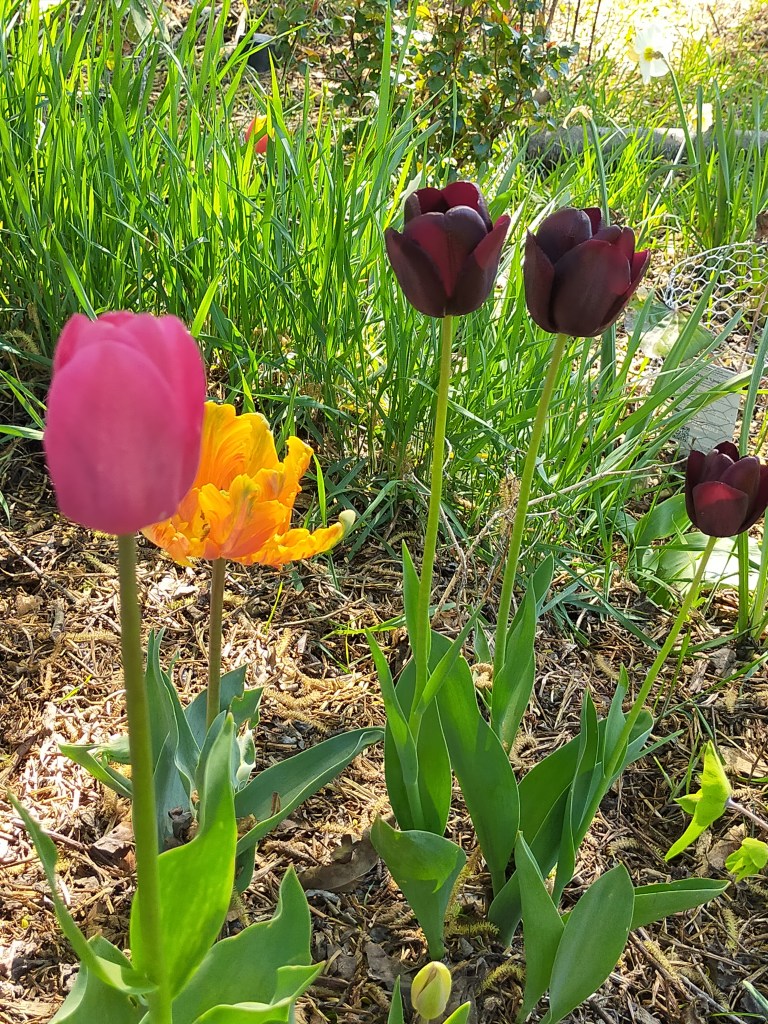
Grass is left in the background but it’s clean and mulched around the bulbs

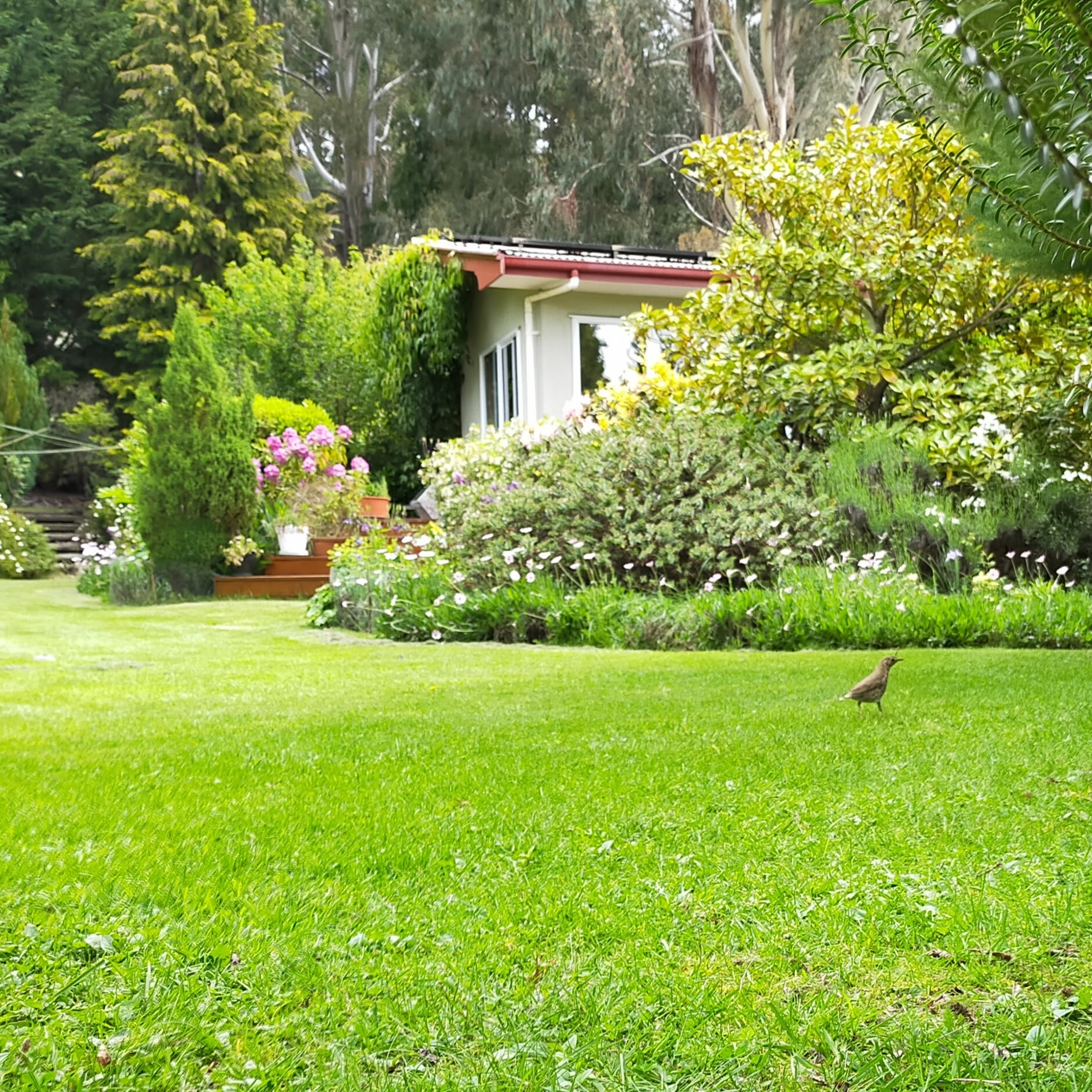
I nearly forgot to say we do have lawn around the house! It is nice to sit or lie down. Less than 10% of the land is regularly cut and irrigated. That’s a lot of water saving and reduction in mowing time and noise (and dirty fuel usually but not in our case since our ride-on lawnmower is electric, as all our tools are).


Leave a comment

Clarisse’s food

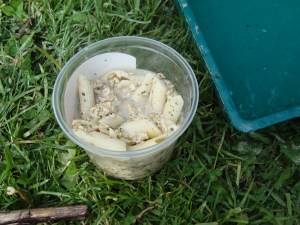
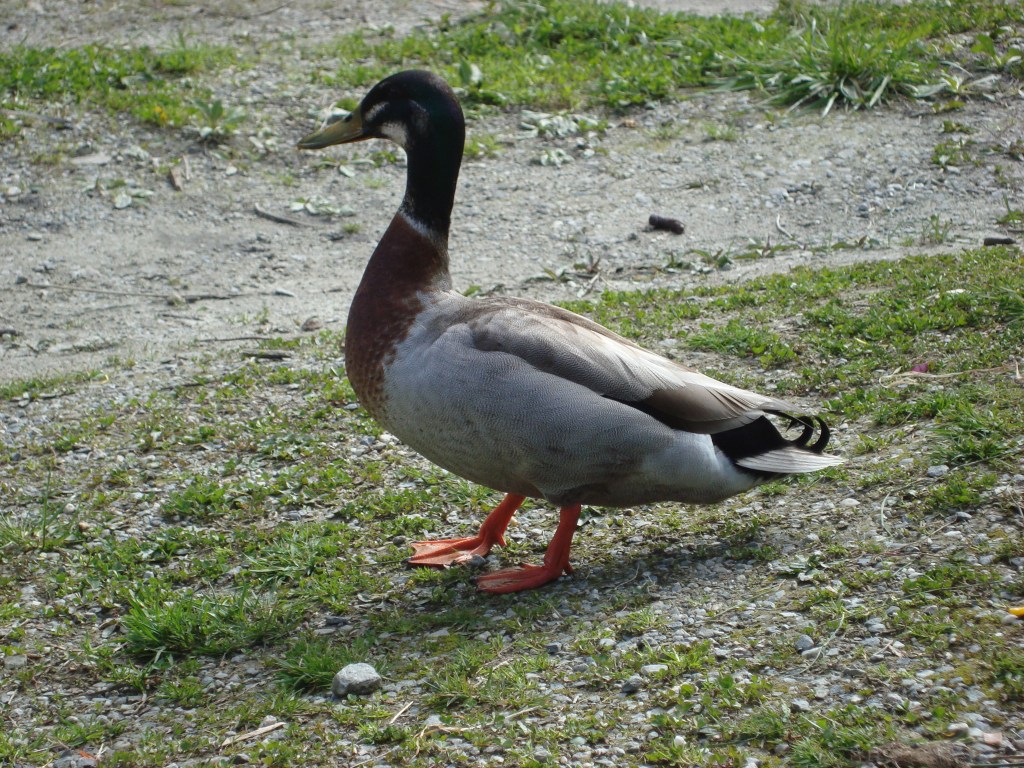
Duck soupI luckily have a book about having poultry in the backyard so I found out that it likes:
  •  flour-all kinds,
  • grains -soaked,
  • a few seeds and 
  • nettles chopped finely
  • even a bit of coffee marc to boost their health

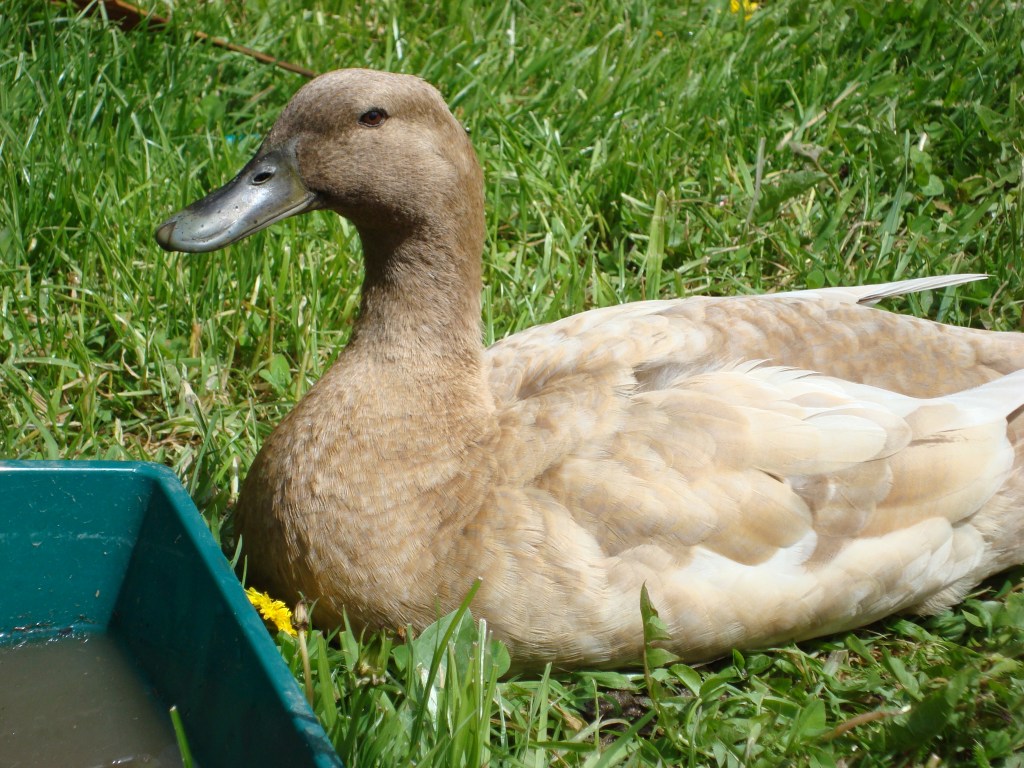
She eats only near water. The first time she even had to sit in the water to start eating. She would just nibble on the sides of the bowl, not eat inside otherwise. Funny!

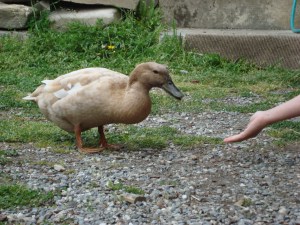
She loved it! We were happy witnesses of her meal. She would take some soup in her beak, dip it in the water then swallow it, hastily.

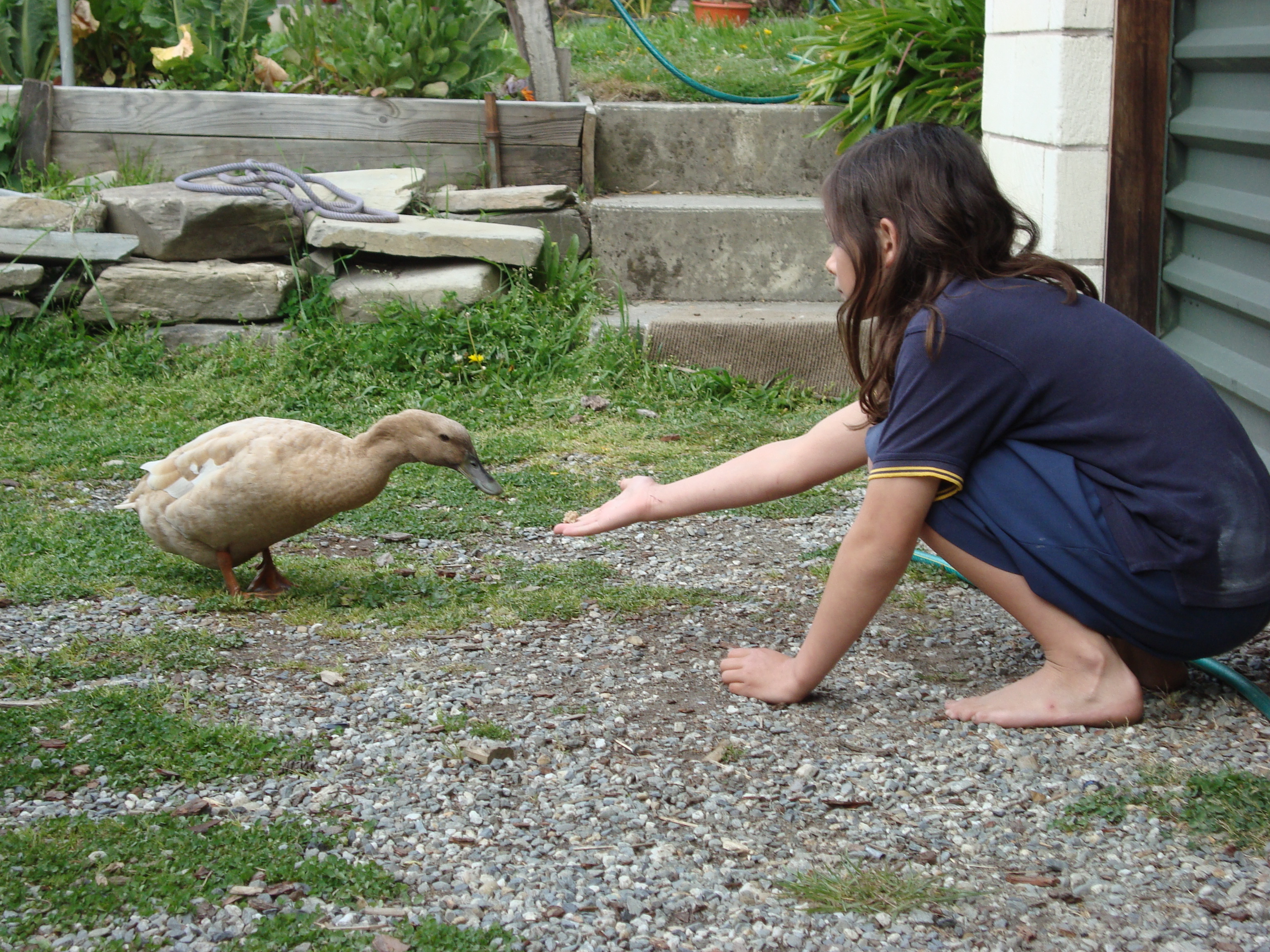
The children also gave out lots of soaked home-bread bits, which the ducks steadily enjoyed of course. They even ate out of the hand.