Regenerative Livestyle Blog


2 Comments

We bought a Prius!

100_9451It’s been for a long time on my mind, so when in August we got a family tax credit lump sum, we decided to invest it in a good petrol-saving family car. Studying the market showed that the Prius is very reliable and cheap to run and maintain.

It comes in 3 generations (now in 4 but I did not look at the latest at all – not my price range).

  • The first version until 2004, was revolutionary but is oldish now.
  • The 2nd version 2004-2009 is super efficient – the best on the hybrid market by far.
  • The 3rd version is as efficient as the previous Prius and it is larger. I can’t afford a car that recent and I don’t really need larger.

3prius

There are plenty of 2009 Prius cars on TradeMe. I found one that had only 82,000km and costs NZ$12,000 (delivery to my door included).

It arrived on a beautiful day and was not easy to start (a combination of foot and button press is required and all  explanation is in Japanese). It was quite hilarious to have a new car that could not start and we had to take the truck transporting it to the garage!

Then I loved it. It is smooth and easy, it has an excellent handling, fun to drive. It is near silent while having a good sound system, making trips a pleasure. There is absolutely no change when the engine kicks in or stops. Seamless.

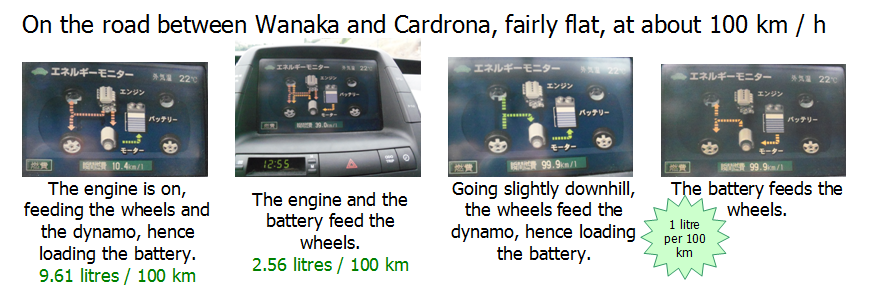
And, yes, it has an amazing low petrol consumption. So much that I forget to refill it! It has a display showing how many kilometers you can drive with 1 litre of petrol and if/when the battery get refilled or feeds the engine. I think it is quite a mind shift to count in km per litres, instead of the usual litres per 100 km. When it says I can only go 2 km away with one litre, it’s quite an incentive to stop accelerating. On average, with my main use being short distances in town, a full tank goes more than 850 km.

Prius_consumption

In average on the first 1,000 km the car drove 21.3 km per litre. The next 1,000 km, it managed 23.4 km per litres. Just changing the way I drive. An evening when streets were empty, I managed to cross the town only on the battery at about 40km /h. Yet, when there are cars behind me, I make a point of accelerating as required so that they don’t think my hybrid car is useless! It does have an excellent acceleration which consumes quite some petrol. Going uphill too, it can be quite fast, using energy accordingly. Which reminds me, all cars do use a lot of energy going uphill or in acceleration but they don’t have the screen to tell you so it’s easier to forget.

Beyond the car design, there are many ways to reduce petrol consumption. Awareness, awareness…

100_9453Since I have it, I’ve heard positive and envious comments and also denial ones. I was told that changing batteries cost a fortune yet found out that batteries are designed to live the car lifetime so exceptionally need to be changed. I was told it takes more than a normal car to build and dispose. That’s wrong, Toyota makes a point of having this right too.

When I see my petrol bill, I simply wonder why everyone does not have one. So go for it!


Leave a comment

I try, and I made it!

I’ve just finished to read “The Boy who Harnessed the Wind”, by William Kankwamba and it was so inspiring I wish everyone would read this book…

It’s the true story of an African boy who builds a windmill so that his family never has to live through famine again. He does this mostly alone without any money, with the help of a few library books, a lot of work and determination.

I value this book because William talks about his rural community.  It is not told by an ethnologist, a development officer or a tourist. It’s how life really is for more than one billion people and we hardly ever hear it from the inside.

Moreover, the local solution he offer is, I believe, the way to solve the global problem of scarcity in the world. I really like how he analyses that development must come from within.

Besides, we, in rich countries, take everything for granted (well, we do have more than everything) so we so have much to learn from this story. William is amazing in determination, simplicity, cleverness and altruism.

This book particularly resonates for me because I am librarian, like Mrs Sikelo, and my passion is to bring people the information they need. This story shows my work is all worthwhile as it can be life-changing.

It also tickled me deep inside because when I was 13-14, I told my science teacher that I wanted to be renewable energies engineer (way back in 1980) and he laughed at me… I gave up the dream. William did not give up. As he said in his first TED talk online: “I try, and I made it!” What a grand lesson!

Here is William’s blog, and his Moving Windmills Project website. Worth supporting.


3 Comments

1080, diquat and co.

100% Pure NZ is systematically sprinkled with persistent organic pollutants, but don’t worry! All the studies prove it’s OK.

Actually, independent source Pesticides Action Network PAN declares it’s not OK, these products are on the Highly Hazardous Pesticides list (HHP list).

What’s the problem?

They do not disappear despite some biodegradability, they enter the food chain and they accumulate. From highly acute toxicity to long term toxic effects (carcinogenic and mutations), endocrine disruption, environmental degradation (ozone layer, effects on animals…), to hazard to ecosystems services (bees), HHP effects are varied. Cause and effects are not always obvious, often long term. Only highly acute toxicity is tested in most cases.

DiquToxicat dibromide is on HHP list. It can be fatal if inhaled ; Also toxic by ingestion and  dermal contact, including neurologic effect. It is chemically close to agent orange and was used in Vietnam too. It makes rats infertile. It is often found in cow milk.  It is unlikely carcinogenic but is known as a potential ground water contaminator. Diquat is used every year in Lake Wanaka in an attempt to stop lagarosiphon spread. It doesn’t stop it nor prevent it to grow again. In fact, lagarosiphon is not toxic, it is a habitat for native species, it absorbs nitrogen. It does annoy boaties, getting stuck in propellers. It does disrupt hydro dams (turbine shutdown and lost energy production), obliging hydro companies to invest in expensive measures against the plant.

ToxicGlyphosate (RoundUp)  is listed on the HHP list. It is not as biodegradable as Monsanto says. Not only it is quite persistent in water and sediments but also its degradation creates other toxic substances. It is known to have long term health effect on kidneys and reproduction organs. Its massive use also leads many weeds to become resistant and it is present in many surface and ground water tables. Besides, glyphosate is often associated with other chemicals for the weedkiller to be more efficient so you get the perfect cocktail for unknown consequences. Actually not so unknown as many many studies show severe effects but Monsanto’s powerful marketing machine is still winning.

ToxicPindone (not on the HHP list), however on PAN database, it is listed as highly toxic, causing nosebleeds, bleeding gums, bloody urine, extensive bruising in the absence of injury (ecchymoses), also fatigue, shortness of breath (dyspnea) on exertion. It may cause fluid in lungs (pulmonary edema). It is fatal or highly toxic for fish. Toxicity data is missing (no study done/recorded) as to cancer, water pollution potential and the bees. It is used to kill rabbits, with some success, although rabbits invariably spread again, possibly getting resistant.

Toxic1080 (Sodium fluoroacetate), is on the bad guys list as Extremely hazardous (Class 1a) according to World Health Organisation and fatal if inhaled. May also be absorbed through the skin. Leads to convulsions, laboured breathing, unconsciousness and death if untreated. DOC says 1080 is OK for NZ because it targets mammals and there is no native mammals in this country. 1080 is not used in any other country in the world because it would destroy mammals. Well, sorry but I AM a mammal and my children too. More and more research show that it accumulates and that it has long term carcinogenic and reproductive effects… In the local papers today, DOC kindly reassures us that fish ingesting 1080 are safe to eat because you need to “eat several tonnes of affected fish” to get a fatal dose. For me, “not fatal” does not equal “safe”. What about everything in between?

2014 is a mast year

In 2011, the Parliamentary Commission for the Environment publishes a report that supports the use of 1080 as the best solution available to help protect our native birds. Interestingly, independent scientists demonstrate just the opposite on their site 1080science.co.nz. A lot of information is on the Ban 1080 website.

Solidly based on the PCE report, DOC launches the “Battle for our birds”, with a record dropping of 1080, when we know that 1080 kills about as many birds as it protects them.

Which to believe?

I am not a scientist but I see clearly there is not enough consensus on that matter among scientists to keep using these HHP without questioning.

I know about Rachel Carson landmark book, Silent Spring, which warned, in 1962, that the use of pesticides would lead to wildlife destruction and a dramatic increase in cancer cases.

I have read Our Stolen Future, by Theo Colborne, which demonstrated in 1996, that even tiny doses of pesticides can alter human development and reproduction, as they are endocrine disruptors.

So I wonder… and I worry…

What do the pro 1080 win? Lots of money $$$ from selling and applying their product. Pro-1080-diquat-and-so-on justify themselves by any mean to keep doing business as usual.

What do the anti 1080 win? Nothing! They must have good precautionary reasons to spend so much time and energy fighting this!

Solutions?

I am not saying I have solutions. I just want people stop saying these substances are solutions. They are not. They are dangerous and don’t solve problems, hardly mitigate them. Saying they are solutions prevents everyone from searching for better ways -non toxic please.

I think we must stop thinking in terms of pests that we need to eradicate. Maybe consider them as resources? Lagarosiphon is excellent composted. Possums of course have made the fortune of many trappers. Some rabbit terrines are served in the best restaurants in some countries…

Maybe widen the issue to the whole system? We don’t have a “pests” problem in an otherwise perfect world. I know this may shock but it strikes me that National Parks are protected (from destruction by humans) and DOC is sole responsible for their maintenance yet forests are becoming silent. I know of some valleys that are privately owned and well looked after by their owners. No possums, no stoats, lots of birds, lush native bush. Maybe the system needs revisiting…

What if humans became again guardians of the land, respectful of nature, not consumers and controllers of nature? This does require quite a mind-shift and a lot of open-minded discussions. I don’t have solutions. But if we don’t look for them, we won’t find any and we’ll keep doing the same things with the same results.

What you can do

  • Take the warning signs seriously! It IS dangerous!
  • Join groups who set traps
  • Take photos of abuse and send them to the media, OSH, local authorities and beyond
  • Love your weeds instead of poisoning them
  • Generally avoid using chemicals, they all add up!
  • Prompt debates…

PS- I could make a very similar article about the pesticides used in agriculture, less visible but more widespread…


1 Comment

Joel Salatin in Wanaka

Joel Salatin talk, last year in Wanaka, was an energizing speech as much in content as in the presentation itself, a great toastmaster exercise. Basically the recurring idea is orthodoxy vs heresy… These are my notes from the event.

Joel Salatin in Wanaka


Orthodoxy and heresy

People used to think the earth was flat – orthodoxy, then came Galileo saying that the earth was round – heresy. Even more when Copernicus said that the Sun was not going around the earth; the Earth was going around the sun- heresy. Then when slavery was the norm- orthodoxy, the Magnacarta established the right to be free- heresy.

We used to learn the Amazon as the ultimate wilderness- orthodoxy, whereas it is actually a planted and manicured forest- heresy …

In medicine, doctors used to think illnesses were spirits- orthodoxy, then it was discovered that it was due to bacterias and viruses… More recently, Pasteur established the germ theory, where we are victims, we can blame something else if we are sick. Meanwhile and more discreetly, Beauchamps was developing the terrain theory. Germ theory – orthodoxy vs terrain theory- heresy. Allelopathy is valid for illness but not for wellness. Heresy is to think you can create terrain for wellness instead of curing illness. More recently still, heresy is to upgrade genetic lines rather than repair genetic weaknesses…


Then, there was this joke…

Imagine we are a club of people who want to create the most unhealthy farm. Then we would choose only one specie, closed inside with no outdoor and a high density, no sun even aircond. All these criteria aggregate, encourage and nurture pathogens. It is the reality of industrial monoculture…

On the other hand, Nature cultivates diversity with an average of 20 species per square meters, to confuse pathogens, create balance and stability.

Today, orthodoxy on a farm is that fertility must be brought from outside, the government creates policies and agriculture rules. Heresy is to believe nature creates fertility, trusting the powerful carbon cycle. Nature is not sterile by definition. The orthodoxy is to grow quicker, cheaper, better, bigger pigs or corn.

The heresy is to grow balanced meaningful biological soup for species to thrive for itself. Let a pig express his pigness!


Then wider…

If a bull was destroying your flower garden, you would sue the bulls owner. GMO are imposed on our flower garden and we are being sued for not accepting being imposed them!

Society promotes segregated food systems instead of integrated food systems. One side producer / one side sellers / one side buyers vs producers/sellers/consumers, all local on site.

We destroyed a lot but we can heal, restore, via environmental participation.

A strong society has few rules and is not compromised by the choice of some individuals, be they different, on the contrary,  a strong society nourishes on different progressive ideas.

A weak society is fearful and paranoid and creates many rules to protect itself from change.

So listen to the heretics!


There are many solutions.

Edible landscaping

Lawn was started by British Royalty as a sign of richness, to show you don’t have to cultivate all your land to survive. This does not mean you do not have a food garden…

Participate viscerally with the earth and sun to create sufficiency and live in abundance.

Build up soils

The biomass creates itself if not impaired. Let the grass grow, so that the total energy/matter on the farm does not deplete with eggs and meat leaving the farm for sale. Lawn and low grass is dramatic in NZ because it does not let nature build up biomass into the soil. High grass not only nurtures soil but it is also a habitat for predator/eater therefore nurtures  biodiversity. Let herb grow to build up soil.

Read the whole story in Joel’s book, now available at Mount Aspiring College Library

Only 1/5 of soil depth is left after 50 years of grazed land. Letting the grass grow sequesters more carbon. Re-carboning the soil is one way of adapting to climate change, as just doubling soil depth would absorb most carbon released since industrialization.

Also build dams, ponds, water retention systems. Build up organic matter.

Local local…

Market locally to avoid transport. 50% of an average farm cost is fuel…. On Salatin’s farm, there is only 5% oil cost.

It does not matter if everyone is still asleep and brainwashed. Do not contribute to the problem. Grow your food, eat locally, grow your grass, build up soil!


1 Comment

Making bread

The bread in shops around is generally not healthy, is expensive and doesn’t even taste good. Some are more healthy but we can’t afford them. Coming from France where we could easily purchase a 2kg loaf of crispy organic bread for a worthwhile price, we moaned, nearly mourned! But not for long…

We started soon kneading our bread with organic flour and Surebake yeast and were happy with the results, although quite crumbly and quickly dry. We got organised and managed to buy whole 20Kg sacks of organic flour, one of white, one of wholemeal and this would last us a while. Most rewarding. We were aware and not proud of the “chemical” yeast issue but sourdough just sounded so mythical.

It is only thanks to a visitor in the know that we started our sourdough two years ago. Now our bread is just organic flour and water and so much tastier, also with a better keep. And soooo easy to make! Roll up your sleeves and just do it too. Here is how: 

To start the sourdough

In summer (min 15 degres is better to start it), mix 2 spoons of flour, a pinch of sugar and 4 spoons of water in a bowl, stir well. Cover with a plate. Leave on a shelve 2 days. Then have a look, it should start bubbling a bit. Stir, add one spoon of flour, stir. Leave another half day, add one spoon of flour, stir. This is called “feeding the sourdough”. Your mother sourdough is ready for the first lot of bread.

To keep the sourdough

From then on, just when you’ve finished kneading the bread and before putting it in the dishes, withdraw an egg size sample of dough and put in a cup, with a lid just to cover not to close, back on the shelve. Until the day before you need to make bread again. It keeps well 3-4 days. For longer periods, keep it in the fridge.

Prepare the sourdough

To wake up the sourdough for the next bread, cover the ball of dough with water. After a while when it is soaked, mix and add flour, one spoon at a time and stir, every now and then (from 3 hours to 9 hours) to feed the sourdough. It will start bubbling again. The more often you feed it, the fastest it is ready, the more virulently it will rise.

Making the bread

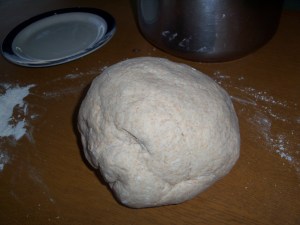
In a large dish (we use our pressure cooker, very stable), we put 4 cups of white and 4 cups of wholemeal flour. Make a well, put the now rather liquid and bubbly sourdough, add some water and stir with a strong fork. How much water varies with the ambiant humidity and temperature, so just have a jar of water ready to add some if needed, as well as a cup of flour in case it became too liquid. Stir with the fork until all the flour and water have merged. Then start kneading with your hands and enjoy it. It is sometimes sticky, sometimes instant. In all cases, it eventually becomes right.

Bread raising

Put aside a ball of dough for next bread, then take half the dough out of the pan, add salt and kneads it further on the floured bench. Then shapes it and put in a slightly oiled dish. Then do the same with the second half.  Then place both dishes under a towel for 12 hours (over night or during the day).

Following recipes, I used to knead again after one raising and leave to raise further. Honestly, it’s more time and the difference in result is not significant so I abandoned that double kneading practice.


Cooking the bread

Cooking temperature and time will vary with the size and shape of your dishes and your oven. Trials and adjustments. Then stick to it. Keep a bowl of water at the bottom of the oven. In our case, it is an handle-less old stainless-steel pan. Basically the oven needs to be super hot when putting the bread in. 240 degrees in our case. For 10mn. Then lower the thermostat to 160 degrees and leave for 30 mn. Then pull one bread out, knock it with an utensil, it sounds a bit hollow when it is cooked. If not cooked, place in again for 5 mn.

Keep the bread

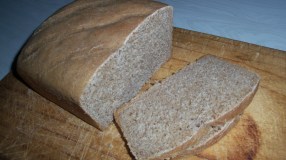
When cooked, unmold onto a board and cover with a towel while it cools down, then wrap in the towel and store in the cupboard. It’s better to wait for the bread to be cooled to enjoy if or it breaks easily. When still hot, slice not thinner than 5mm but the next day you can make 3 mm slices for the lunch sandwiches.100_0107.JPG

Stored in the towel in the cupboard, it stays perfect for 4 to 5 days but rarely reaches this age as it is eaten before. To keep longer, I put the bread in the towel inside a plastic bad in the same cupboard. It can then stay “fresh” for a week.

Well, this is not the usual precise recipe. It is a recipe-ish. I hope it lifts the myth of the difficulty and cumbersomeness of bread making. No rocket science, no problem.  We just enjoy making and eating our bread.


Leave a comment

Graduated!

I enrolled in the Graduate Diploma in Sustainable practice in 2010 and I have finally graduated! I did not have to wear the black graduation cap but instead was offered this amazing pounamu / greenstone that connects me to the Earth and gives me strength to care for her. A mandate, a mission!

This is my final presentation, summarizing my years learning in 10 minutes!Click on the image then on the arrow to view the presentation

The most interesting part of my studies has been the development of the Yellow Blue Park concept. A public/private partnership contract has been signed in December and a task force is being set up in January to implement it.

I now feel ready and skilled to help businesses or organisations who-want-to-but-are-not-sure-how-to embrace sustainability. Exciting times ahead!


3 Comments

Open letter to New Zealand Oil and Gas stakeholders

Oil is black gold. It has brought unprecedented growth in technology and innovations, easing lives, improving health in most countries, and much more… I have calculated: Less than 10 litres of petrol can bring my family, my shopping and my car home from our nearest city 80 km away in less than one hour. It would take me 3 years to walk the same distance carrying my kids, my shopping and the ton of steel and plastic that is my car! Oil is fantastic and I thank you all, the oil industrialists, for this wonderful era of success.

But it comes with serious side effects, which I summarize below. Knowing this, is “growing NZ Oil and Gas capability” really the best thing to do? I am just asking you to reflect, to think. And I suggest ideas on how you could you use your skills and inventiveness, your investing capabilities and your leadership, to continue to innovate and bring progress while restoring life-sustaining resources and at the same time, improving your profits.

Take

Extracting substances from the Earth’s crust leads to a concentration of substances outside of the crust that nature cannot process. You are well aware of the first law of thermodynamics that states that both energy and matter cannot disappear. So extracting these materials that are normally tucked away in our Earth’s crust leads to their build up in the atmosphere and throughout nature. This results in, for example, rising levels of heavy metals in the soil, phosphate in lakes, cadmium in our kidneys and carbon dioxide in the atmosphere. The latter is our concern here because it comes inescapably from coal and oil combustion and it creates a greenhouse effect that has been proven to have devastating impacts on life on Earth. 97% of scientists agree that climate change is human induced. And this is a good news: it means we, humans, can actually do something about it.

There is enough oil left in the soils to raise the atmosphere’s temperature far above temperatures the biosphere can adapt to. Instead of focusing on extracting as much as possible, you can choose to help the world depend less on oil, for example by developing different engines or renewable energies generators.

Make

Oil is the raw material of many products that accumulate on Earth because they cannot be broken down and recycled by natural systems. Be it plastics that endure and pollute the oceans and its living creatures or PCB and fertilizers that are toxic to soils and concentrate in our bodies causing cancers, decreased fertility and other damage. Complexity and time-lags make it difficult to assess safe limits. Therefore the only precautionary option is to gradually phase out all non-biodegradable products. Your industrial capabilities could focus on replacing these artificial compounds with biodegradable substances with similar or better performance.

Break

Your activities result in degradation of the ecosystems by physical means and even worse, devastating spills, as in the Gulf of Mexico and other places, the toxic effects of which continue for decades. In a world where biodiversity has been reduced by more than 20%, it is time to choose what is important -the short term profits or ecosystems and their vital services, says the Convention on Biological Diversity, a United Nation agency

Moreover, as the easily accessed oil reserves are mostly emptied now, the techniques to extract oil are increasingly damaging to the ecosystems (e.g. fracking), or take place in increasingly difficult and sensitive places (poles or deep seas). These circumstances mean the effects of accidents will be more and more severe. Particularly in New Zealand, sitting on the Ring of Fire, any installation can, at any time, be toppled despite all the precautions taken. Instead of putting the Earth at risk, the responsible attitude is to start reorienting your activities now.

Share

Even socially, oil and gas production does not need to continue to increase. While some people still overuse petrol unaware of the issues, most people are unhappy to pay ever increasing prices at the petrol station and have started to reorganise their lives to travel and entertain differently, to buy locally and avoid using petrol based products. While the oil prices keep going up, its unaffordability becomes a social injustice. Arguing that emergent countries will need large amounts of oil simply does not work, as the Earth cannot sustain the consequent temperature levels. It is far smarter to invest now in renewable and affordable techniques rather than to make people believe that they can have all the benefits of oil without the consequences.

Financially, the oil and gas industry delivers shrinking profit margins due to the need for increasing investment required for each oil unit. Besides, its return on investment is insecure and also at stake is the relationships with with people, communities, associations and even governments. Social media enables increasing awareness and social action, and engenders unwanted side costs like the Denniston plateau lawsuit and many others. Meanwhile, you are subject to political change which can mean a revocation of contracts, such as in April 2013 in Belize.

Business for future generations

In this post-industrial era of change, carrying on with business as usual is not an option. However, if you think in terms of services (selling transport options, warmth, light, etc) rather than products  (oil, gas and electricity), then you can dream about creating energy efficient vehicles, insulating building materials, widespread solar and wind power and much more.

Many people are already working in these directions but are often lacking the necessary capital capabilities. There is huge opportunity in the economies of scale. If you want to learn more about these, watch this entertaining Amory Lovins TED talk and contact the Rocky Mountain Institute for advice.

In New Zealand, contact the Centre for Sustainable Practice, or you may be helped by the Energy Efficiency and Conservation Authority.

How could YOU use your finances, skills and creativity to bring energy breakthroughs?
I am looking forward to hear if you intend to ignore this information or to explore it and make your grandchildren proud of the difference you made to their world.

Thank you for your attention.
Kind regards.

Florence Micoud

A New Zealand citizen who cares
PS. Feel free to forward this letter to everyone involved, to your staff distribution list, to your shareholders… Feel free to reuse and discuss with colleagues… 


Leave a comment

Doing it again… in Tarras

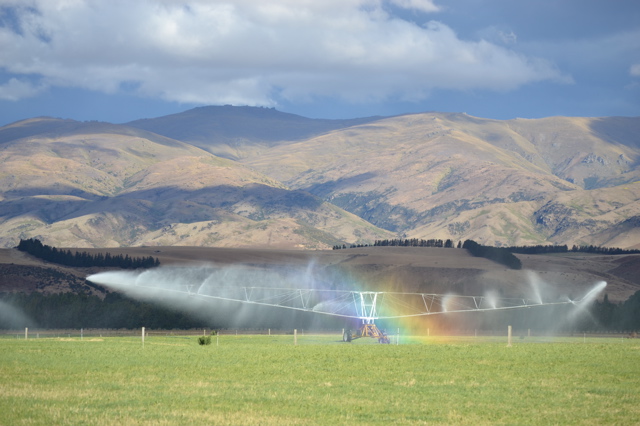
Tarras irrigation (c) HolgerTake a dry area, beautiful and lean and decide to make dairy farms here! It will be costly… But it’s all right, the ratepayers will pay for it… Sounds unbelievable? or only too familiar?

I have published below the full story and call for help by some Tarras residents, together with the links to the submission documents, to fill in and send by the 3rd of May to the ORC if you care… Click here to see my submission, feel free to copy/paste it and just change the name and address. Cheers.

Florence

Subject: Submission to Otago Regional draft annual plan – Tarras water scheme

Dear friend,

As part of the Otago Regional Council (ORC) draft annual plan, the ORC proposes a $ 3.6 million dollar investment in a privately owned irrigation scheme in the Tarras area (230 residents). The Council’s investment will be even higher as there are ongoing costs during the proposed 5 year investment, bringing the spending of public money up to $ 6-7 million. It is proposed to fund this investment through rates increases.
Any Otago rate payer and resident can make a submission to the Council on this investment proposal. This is your opportunity to have your opinion heard by the 11 councillors who are divided on the subject. Public submissions on the plan close this coming Friday, 3 May 2013, and the councillors will have to make a decision on the proposed investment at their meeting on 24 June 2013.
You might have read some reports over the last few months in the Otago Daily Times on the Tarras water scheme. Here is a brief summary:
Tarras Water Ltd. (TWL), a privately owned company, proposes to pump water from the Clutha river to 6000 hectares of hitherto unirrigated land in the Tarras district. Currently, there are 40 shareholders, mostly farmers, with 8 farmers controlling 90% of the company, four of which are also directors of TWL. The proposed cost for this project ($ 37 million) requires a large bank loan ($ 26 million, 20% of which would be guaranteed by the Central Otago District Council) and the ORC investment in order to proceed. TWL shareholders would fund $ 7-8 million themselves upfront.
Even though the water scheme was initially promoted and presented as a “community” water scheme and public grants sought and used for preliminary studies, the cost of the scheme for the vast majority of the Tarras community is too high to be part of.
However, TWL continues to rely on public money for this private enterprise. TWL proposes the ORC to become a “dry” shareholder, i.e. hold 30% of the shares in the scheme without using the water. The ORC would only recoup its investment if it were able to sell the 30% of the shareholding over a five year period. However, over the last 6 months some landowners in Tarras have already invested in their own irrigation schemes, with others not interested in the TWL scheme for reasons of cost. The high cost will inevitably lead to intensified farming in the area, with the most likely outcome being dairy support and dairy farming in general over the proposed 6000 hectares.
While the ORC is being asked to become an investor in a private irrigation scheme, by law it also has to handle resource consents for water permits, as well as enforcing legislation relating to water quality and use in the Otago area, in other words it would put itself in a position of conflict of interest (private investor and regulator at the same time).
Such an investment would also set a precedent for other irrigation schemes in the wider Otago region, the latest one proposed for the Maniototo area. In fact, it would set a precedent for any private business to ask the ORC for public money to partially fund their enterprise, whatever it might be!
Despite being asked by the ORC for information on alternative funding, TWL has not sought private business investment in its scheme, suggesting that it doesn’t stack up as a good deal. TWL solely relies on public money input and very strongly lobbies the 11 ORC councillors to vote in favour of the investment.
Again, TWL is a private company which asks the ORC for millions of dollars of public money, funded through rates increases affecting every Otago rate payer, with a high risk to the Council to be able to recoup the investment. And TWL is effectively owned by a small number of wealthy farmers.
Should you be concerned about the use of public money in this fashion, please use the attached form to make a submission to the Otago Regional Council by Friday, 3rd May 2013. 
The draft annual plan with the TWL investment proposal is available on the ORC home page, www.orc.govt.nz
Please, also forward this email to anyone you think might like to make a submission.
Best regards,
Holger Reinecke


2 Comments

Global Change for Beginners

Puzzle ClipArtSo you sort of sense there are some issues looming, but it is quite confusing, seems still controversial and certainly helpless… Here are some basic elements and inspiration to help you assemble the puzzle.

The links and organizations mentioned in this article (in maroon) have credentials, are reputable and are important sources for further information. I recommend you read the whole article first and then click and explore the links.

Hard facts

There is proven human induced climate change. In its latest Climate Change Report dated 2007, the IPCC states that temperatures had already increased by an  average of 1 degree in the 20th century, and will continue to increase by 2 to 4 degrees by 2100 if greenhouse gas emissions are not curbed. Climate changes also include an increase of extremes, draughts, winds, floods, colds and heatwaves. Some places will become colder. The next report is in progress but intermediary announcements have underlined that the projections and scenarios are lower than what is actually happening. People who cast doubt about it have either an interest in keeping business-as-usual or are looking for excuses, being unable to consider change yet.

Human activity and settlement is creating irreversible damage on world biodiversity, jeopardizing its capacity to regenerate itself.  It is not only sad that many species disappear but it is also hugely harmful to human society as biodiversity provides us with a wide range of services, free and taken for granted. Here is the summary of the very official Convention of the Global Diversity.

Resources are running out, whether it is water, oil, or minerals… Clean air too! Some, like phosphorus, are not directly essential for us but their rarity would have dire consequences… The nitrogen cycle change is another example of the human activities tremendous impact.

There is a global economic and social crisis -just watch TV!- and despite rebounds, we all know that doing more of the same thing is not going to improve anything.

Well, the reality is that our earth has boundaries and we have been in ecological overshoot for many decades.

I have a “Drivers of Change” set with 175 cards each detailing different aspects of energy, waste, climate change, water, demographics, urbanisation, poverty. One group game consists in picking up one card each and meeting every other participant and discussing the links between the two seemingly totally distinct subjects. An amazing eye-opening experience.

Everything is connected. For example, the practices of modern agriculture, combined with the world demographics, creates a catch-22 to feed the everyone when productive land is being depleted or constructed for human expansion, resulting in rocketing food prices, worsening the social crisis and the state of the environment… “Whatever befalls the Earth – befalls the sons of the Earth. (…) Whatever Man does to the web, he does to himself.” Says Chief Seattle in his famous 1854 speech.

Ostrich clipartFlight or Fight!

Too much!! Panic!!!

You may prefer to ignore or escape in consumerism, in drugs, in hopes that we will go on Mars…

Or read on…

There are solutions! Lots! And we need lots of people to make them happen. It is a team work. Everyone’s little action at his level contributes.

30 years ago, we were wacky… or pioneers. And yes some of us are extremist! Many people like me worked to identify, analyse and communicate the issues; many people have been experimenting and finding solutions. It may be new to you, but it not new and many solutions have been tested and approved.

Today, we are innovators and there are many early adopters. Be part of them!

It has been demonstrated that when 13.5% of the population has embraced a change, then the majority engages. No need to spend energy to convince people, they will come on board. Just Change yourself, what you can, when you can. That is your part of the Global Change.

Change is not easy and everyone is not venturesome. Around us, many people act to make change easier, for example creating cycle lanes to enable people to cycle to work safely. So while more and more people embark on the boat- bike!- , more and more change is possible in a virtuous spiral. Listen to Elizabeth Sahtouris inspirational talk.

Change for what?

Here I introduce the sustainability principles as guidelines for change, from the Natural Step (explained in 2mn, or for kids)

  1. Is a choice/ an action taking always more resources from the earth crust?
  2. Is it creating things that the earth cannot digest and therefore persist and accumulate in our ecosystems or atmosphere?
  3. Is it somehow destroying part of the biosphere, undermining its regenerative capacity?
  4. Is it preventing other people from having a decent life?

If an answer is Yes, then try and change it. If all answers are No, then your choice / action is sustainable. Simple, no?

Solutions levels

Intergovernmental and governments decide on rules and laws

I do not expect much from them as they are very lobbied.  However we can influence these:

  • with online activism following Avaaz, Choice and many others ;
  • write submissions and get involved politically;
  • or for the bravest, stand as a candidate for the Local Government elections

Business and industry profit more when saving the planet

Business is driven by profit, which derives from the difference between the selling price and the cost to produce a good or service. Therefore,  for many MANY years, business has tried to get the cheapest resources, get more work done by workers paid minimally and externalizing costs.  Today resources are increasingly expensive. Delocalisation for cheap labor reaches its limits, polluting is getting to visible, laws and consumers are more demanding…

Paul Hawken demonstrated way back in 1994, that business and industry can be restorative of the environment. Because it is more profitable, more and more businesses, like InterfaceFlor,  are redesigning the way of producing. Sustainable and socially responsible business is the way of the future.

Community level can be very effective
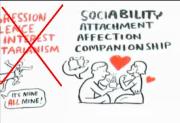
Together, we achieve lotsBe part of or create associations that promote energy descent, nature restoration, social justice… The Transition Town movement is getting momentum and induces a lot of change. In New Zealand, Transition Town Aotearoa networks and support communities, responding to the twin challenges of climate change and peak oil.

Also locally, write submissions and get involved politically. It may be worthwhile participating in Community Associations to bend them in a sustainable direction.

There are many global-change-friendly communities in the world, even some large ones like Whistler in Canada, Curitiba in Brazil or Nelson in New Zealand.

Individual level is the most reachable

How you spend your money is a powerful tool with which you can really make a difference. For example, you choose to support an industrial farmer using pesticides, polluting water, harming his animals etc when buying his produce at the supermarket OR you support the living of a friend at the local farmers market. Do you see how strong your choice is?

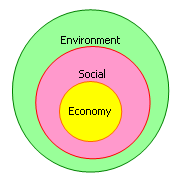
Changing requires a mind shift, a change in yourself. It requires you realize that you are a human,  part of the society, itself part of the environment. Economy is not an aim nor the ruler of all life, but the mere tool for societies to function.

From  to 
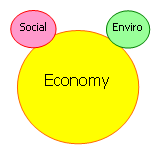
It requires that you realize that you ARE either contributing to the problem or you ARE part of the solution, from “what can I do anyway-I’d better keep going as usual” to “Wherever I am on this track, it is worthwhile for me, for the planet and for future generations, and I am going there”. And just start.

Think on how you eat (best is organic, local, vegetarian food), how you move (prefer bike or collective transports), how you heat your dwelling (reduce your energy consumption). And sieve them through the 4 questions above. Here is a Sustainability at home comprehensive  Checklist, courtesy of The Natural Step Canada.

We are all at a different stage on the path, and depending on circumstances one may have to go backwards. No judgement. It is not an excuse not to “keep aiming at” sustainability.

working together4

I hope that by now, terror and oblivion has been replaced hope and determination. The only problem left is “Are we early enough?” but better late than never...

Lots of actions and initiatives have already contributed to mitigate the issues, giving nature and beings more time to adapt to change. For example, the ozone layer depletion has started to reduce since 2009, thanks to the 1987 Montreal protocol.

Remember, you are not alone, we need many hands to go faster and also”the more the merrier“!

Here are some resources to give you information in specific domains and a lot of inspiration. Have a wonderful voyage!

More main resources

For positive news: Happyzine in NZ ; Guardian Green Living blog (Yes UK but quite worldwide) ; Tree Hugger with humour ; Celsias NZ, solid source but not always fun…

For news about New Zealand nature : Forest and Bird

Check out the resources from the Centre for Alternative Technologies in Wales and Terre Vivante in French

Here are Sustainable Initiatives and projects in NZ, mainly by the Centre for Sustainable Practice students.

Here is the American Earth Policy Institute Action plan B.

Lots of cool stuff on RSA Animate and TED talks


Agriculture, gardening, food and health

Organic New Zealand and Permaculture New Zealand

Information about Pesticides, in New Zealand and internationally, also What’s wrong with Pesticides?

Energy, transport, building

Rocky Mountain Institute, US based but lots of positive information about energy, transport and housing. See Amory Lovins inspiring TED talk here.

Renewable Energy World blog

The Future From black oil to a green future

Economics

Living Economy website in New Zealand

New Economics Foundation, Economics as if people and the planet mattered

Here a New Zealand online guide to eco-accommodation, organic cafes, food supplies, Māori cultural tourism, and environmental tourism activities.

Sustainable business network in New Zealand

Here are many more interesting links . It is also worthwhile “Liking” some organisations of your interest on Facebook and exploring their “Likes”. Focus on the good news and practical how-to aspects.

Please leave a comment if you find inaccuracies or to suggest too-good-to-miss links.

1 Comment

Slow travel

100_7128

Good clean fair travel

How to enjoy travels without much money and without impacting too much on the planet? We have Slow Food. Here is a Slow Travel concept.

No! I am not going to rant about these motor boats queuing at the petrol station in the morning and wasting it doing loops in the water; Nor am I going to name and shame people who fly for a 5-day discounted trip to a paradise international resort built on native land destroying coral… No.

Travelling and holidaying can use resources parsimoniously and be a meaningful experience, not just another consumption trap. One of the keys is to travel less far and less often but longer, and in combinaison with another purpose. Could be studying, volunteering,  working or running competitions…

Simple things

I enjoy no-travel-holidays, just staying home to make up for when I go to France. Enjoy my friends. Enjoy good books and rest. These walks I did not have time to walk yet. Catch up on sewing and repairs. Try new things, start the sourdough, patisseries, decorating the staircase, sun salutations, family games… I enjoy simple things.

20121231_235222Not far

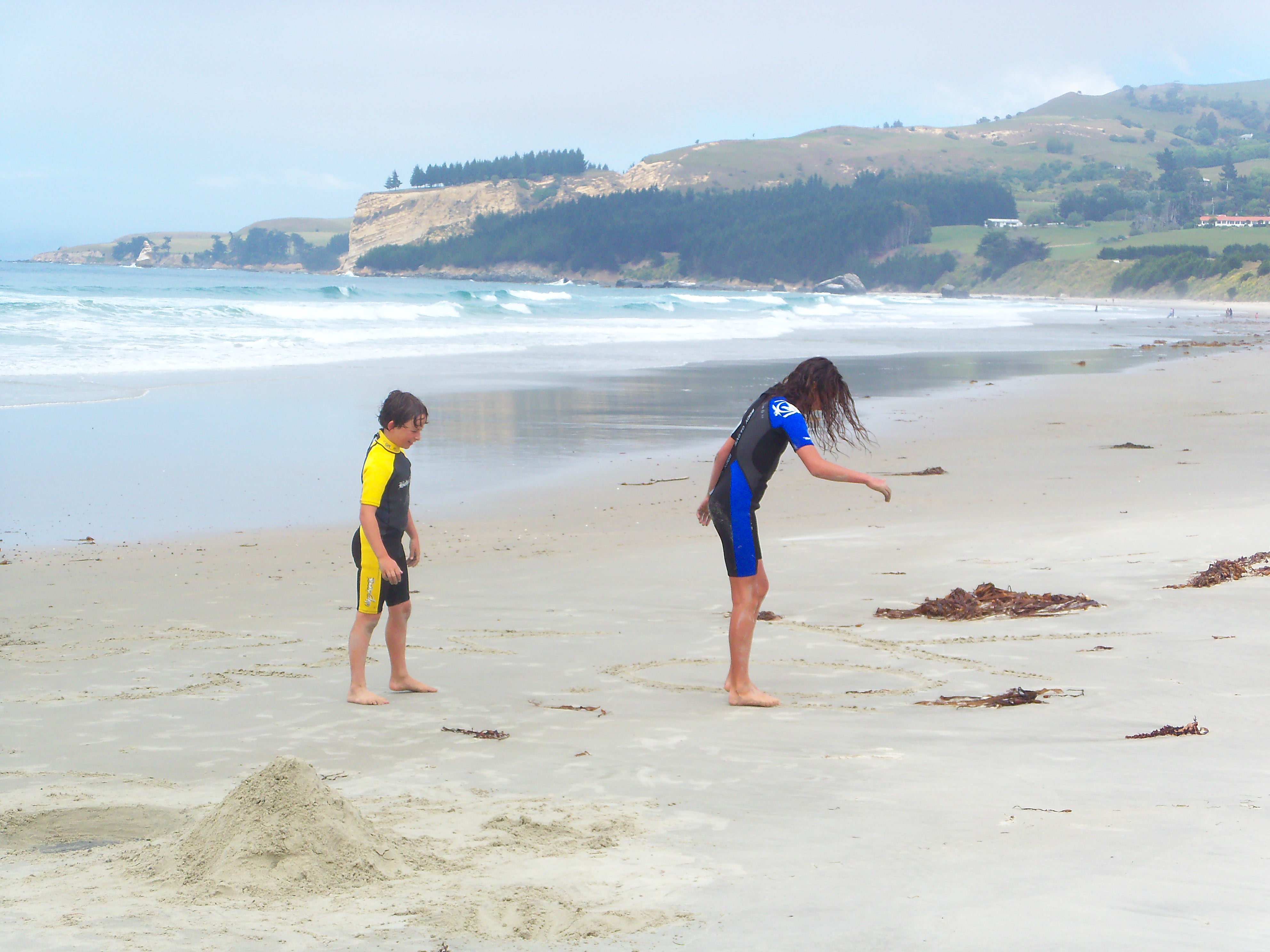
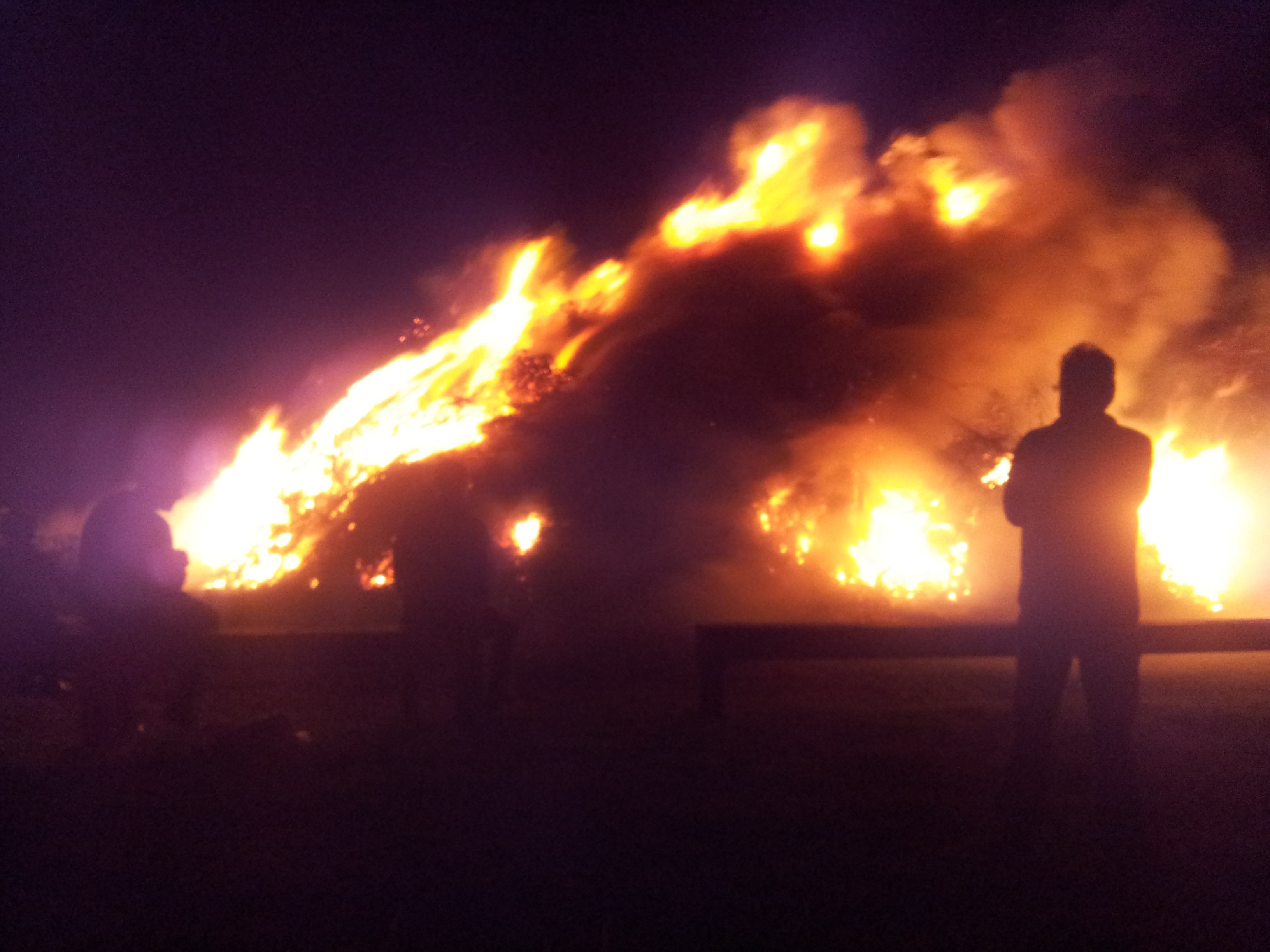
We love to drive to the sea with our tent and enjoy the beach and bonfire. We treasure tramping in the wilderness on a DOC track or walk – see also ideas on the interactive website NZ walks Info. Check the weather forecast on Metservice AND Metvuw.

Further…

When we do travel overseas, we have our tents or we  stay at locals accomodations, it’s cheaper and you know your money is going to feed the kids. It also provides a more genuine experience.

Ethical and environmental tourism

If you want to plan your travels, then think about the environmental and ethical impact of your choice. There are many travel agencies that really support communities and enhance biodiversity. Find some on Ethical Traveler, Tourism Concern,  or check if they are members of Leave No Trace, the International Ecotourism Society or other…

Carbon Off-setting

There are benefits in carbon off-setting and many companies will take your money to hopefully -check carefully- finance some carbon reduction programs. I personally can’t afford it and prefer keeping my daily carbon footprint as small as I can and avoid yet another monetarization of life.

Volunteering

A great cheap and meaningful way to go places and create friendships is to work in exchange of board in New Zealand and abroad:

When I will be wiser and free.. ?!

I may become peacekeeper for a few months through some of these organisations, Volunteer Service Abroad   (NZ) , Global Exchange Peace Brigades ,  Service International para La Paz,
Nonviolent Peaceforce or
Friend Peace Team (quaker)
 And Arbinger Institute will provide for most background issues.

If I was younger and free!…

I would go around the world cruise hiking  and stay at friendly people thanks to couch surfing . Read the advice from an experienced bunch on Matador Network.

Welcoming travelers is a way to travel –  proxy travel !

This year we met two awesome couples, traveling with not much at all, with a very low impact on the environment and maximum contact with the people:
  • Olivier and Nadege, traveling by bike, as light as possible, boarding on sailing boats, using a kite to drive long patches and going around the world in 7 years- planned…The nec plus ultra of Slow travel! Follow them on http://www.enrouteavecaile.com/

    100_7029

  • Adeline and Mark, arriving by chance at our place one evening, travelling in tandem http://letandemetlavie.fr/ .
What an overseas experience! To the four of them, we were very pleased to offer a home-so-far-away-from-home and wish you all the best.
Even with a family, Slow travel is possible. Raphaël, Sophie, Hugo et Adèle travelled one year (took a sabbatical leave), wwoofing, and meeting hundreds of people for an unforgettable experience… Nice to have met you all!

And the librarian in me can’t help mentioning books…

Travel books will take you place, for free and nearly zero-carbon:

  • a good fiction set in Africa, India, in a Pacific Island or wherever will probably transport you in another time/space. Sea Wall, by Marguerite Duras and White Tiger, by Aravind Adiga immediately spring to my mind.
  • A recount or a logbook that tell of a journey may make you feel that you actually walk next to the author. The first that I think of is Endurance: Shackleton’s Incredible Voyage, by Alfred Lansing and I was very pleased not to be with them! Another well written travel book with a mission is Three Cups of Tea, by Greg Mortenson.
  • an adventure story will take you there and beyond, depending how realist it wants to be. I walked and rode and walked for weeks reading The Hobbit, by J.R.R. Tolkien!

How do YOU make your travel good, clean and fair?

Please contribute to the slow travel concept by telling your experience in a comment. Thank you!