Tena koutou e nga kaipanui haere mai nei ki tenei kupu ki te whiriwhiri i maori matauranga ratou ko kauneke tawhiro.
Ko Alps toku maunga
Ko Fure toku awa
Ko Boeing whitu wha whitu toku waka!
No Dauphine no France oku tupuna
Ko Gaulois toku iwi
No Wanaka ahau
Ko Florence toku ingoa.
Greetings to you, readers, welcome to this letter that discusses maori culture and sustainability.
The Alps are my mountains
The Fure is my river
I arrived in New Zealand in Boeing 747
My ancestors are from Dauphine in France
My tribe is the Gauls.
I live in Wanaka and my name is Florence.
I chose to live in New Zealand with my family for its pristine landscapes and the warmth and welcoming of its people, which we experienced when we visited in 1998-99. We felt it was possible here to live a grassroot connected life, unlike in crowded and nuclearised France.
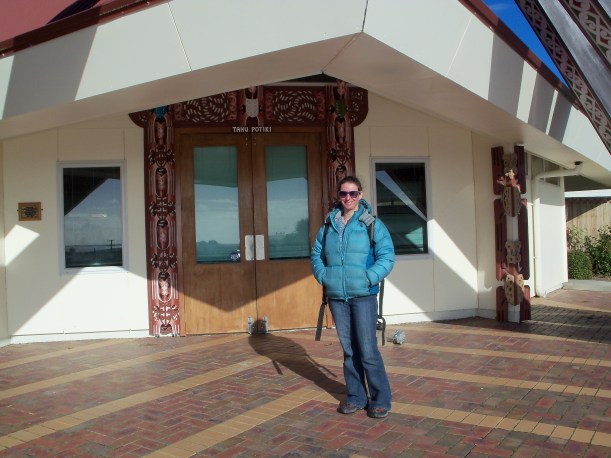
 I can’t love a country and not its people. Therefore interested in Maori people and culture, I was fascinated by the unique case in colonisation history of “equality” between natives and colons, as signed in 1848 in the Treaty of Waitangi. I read lots of books about maori myths and legends, maori lore, history and tahunga. I joined and enjoyed a waiata a ringaringa local group and recently passed a certificate in Te Ara Reo Maori level 2, at Te Wananga o Aotearoa, where our great Tutor taught us maori perspective, so intricated in the language. I came to understand that the assets I initially admired in this country were linked to the Maori presence.
We became New Zealander in 2008. Pakehas. Proud to be. Pakeha is the word Maori gave to the first “fair-skinned” visitors. Pakeha is a word gifted by the Maori to the people who came to live here. It is a recognition that we are part of this land too. That we belong.
Caring for the land
Belonging to the land is a central notion for many indigenous people. Whanaungatanga. People do not possess the land but belong to it. Fundamental difference. It feels good to belong. It means I need to respect and take care of the place. Not to use it, consume it, exploit it… It is linked to the protection and conservation of resources. Kaitiakitanga. Hence the vast protected landscapes and forests. Tane-Mahuta, the first son, guardian of the forests, is still very strong. We can learn a lot from the maori knowledge and perception of the environment.
 Caring for the people
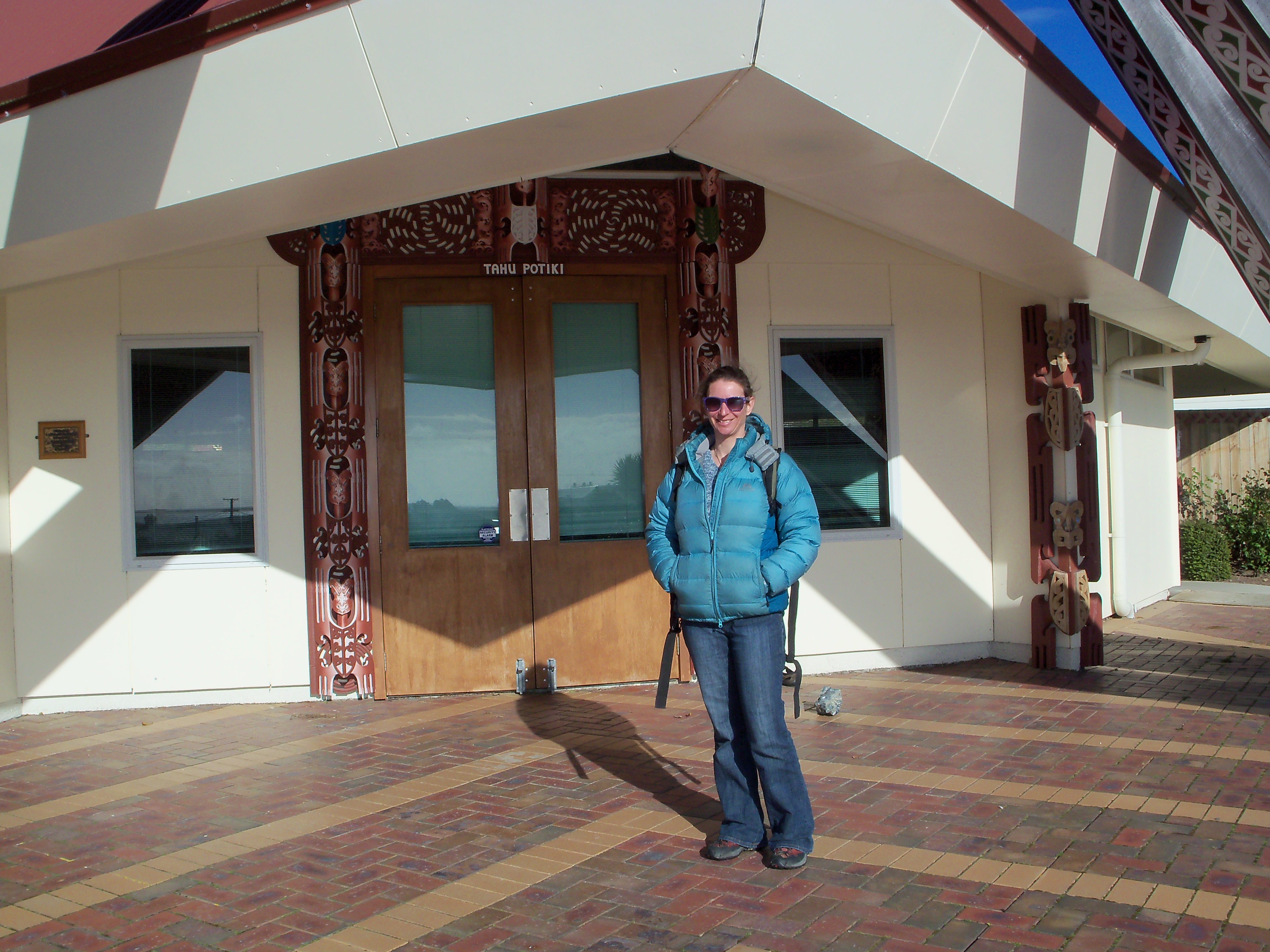
Hospitality and welcoming also derive from Maori culture and has warmly diffused the whole country. Manaakitanga was Maori Language week theme this year and is widely acknowledged by tourists of the Rugby World Cup.
Maori have coded social structures, which I was lucky to experience on a marae. Communication skills korero, shared decision making, connectedness and support, transmission of knowledge and values, cooperation and participation, sense of belonging -again, are all essential skills to build a sustainable society.
New Zealanders welcoming habits, community sense and cool-she’ll-be-allright-attitude has much to do with maori culture and has changed the anglo-saxon immigrant into a Pakeha, a blessed citizen of Aotearoa.
Holistic approach
Most importantly, Maori have an holistic approach as they “never separate the sea from the land and the land from the air.”
Interestingly, the sustainability pages of Landcare Research are bathed in Maori culture. Not only sustainability could not be achieved in New Zealand without a deep inclusiveness of all people of New Zealand. But also Maori people behold the sustainability principles deeply and therefore mātauranga Māori is naturally at the core of landcare research sustainability.
All over the world, indigenous people have a great connection with living systems, as poetically detailed in the famous -if not authentic- Chief Seattle Speech. While humans deconnect from nature to live the “modern life”, understanding and respect of natural cycles also decrease. It is urgent to reverse the decline of the state of the environment by reconnecting with the world thanks to indigenous values.
 Titi story
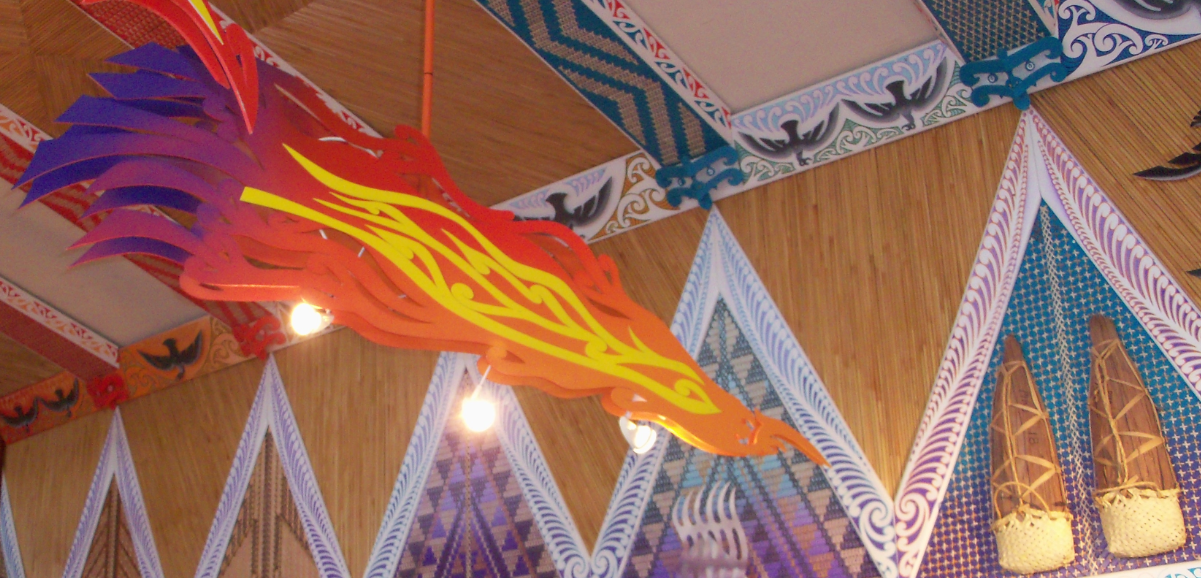
While on the marae in Bluff, we were offered muttonbird stories (also some to eat, yum). I was amazed to hear that birds numbers actually increase when the island is well looked after, following knowledge transmitted from generations. Not only they know when and how many birds they can catch to get the best harvests over the years. But also, muttonbirders restore nests and look after the trees the birds need to take off. That is sustainable management of the land, guardianship.
To thank our hosts on the Marae, we created a song. Like the muttonbirds who take off to migrate towards unknown lands, we have to listen to our destiny, open our minds to change, open our wings to fly into the unknown, and all this is possible thanks to the great nurture provided by the marae.
“Maori principles can help us deepen our appreciation of the environment, sound social structures and a connective view of sustainability”, as summarised in the Maori Perspective leaflet published on the Outlookforsomeday Sustainability Film challenge for young people website.
Tena koutou, tena koutou katoa.
Florence
—————————————–
Maori language resources
Learning a language is directly connected with learning a culture, because the way people express their ideas reflect their way of understanding the world. Knowing a culture is respecting and embracing it. Maori language is now widely taught in pre- and primary schools. There are 800 and a growing number of kohanga reo schools (maori language) and 3 maori tertiary education institutes. Give it a Go!
http://www.maorilanguage.net/
http://www.maorilanguage.info/
http://www.korero.maori.nz/
http://kupu.maori.nz/ One Maori word a day and much more
http://www.tetaurawhiri.govt.nz/ Maori Language commission
More Maori resources
Maori culture is becoming a strong and integrated part of New Zealand, thanks to great leaders (Apirana Ngata, Dame Whina Cooper), thanks to the Treaty of Waitangi, thanks to many Maori and Pakeha who know if they do not strenghten this culture, nobody will… And increasingly both Maori and Pakeha realise they enrich each other, and learn to live respectfully with each other … And all are proud of the Haka ;) New Zealand is one of the few countries worldwide who managed to maintain indigenous identity in a diverse society.
http://www.teara.govt.nz/en/maori Te Ara Encyclopedia of NZ about Maori history and culture
http://www.waitangi-tribunal.govt.nz/ deals with maori claims.
http://www.maoritelevision.com/Default.aspx
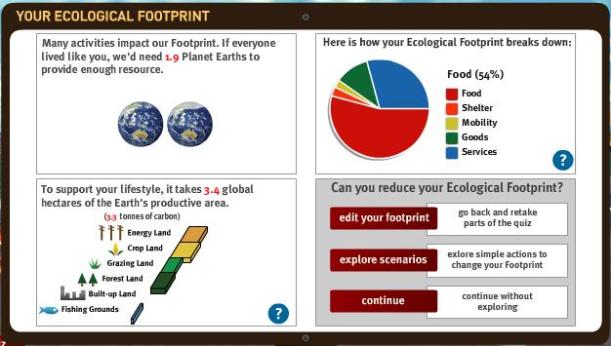
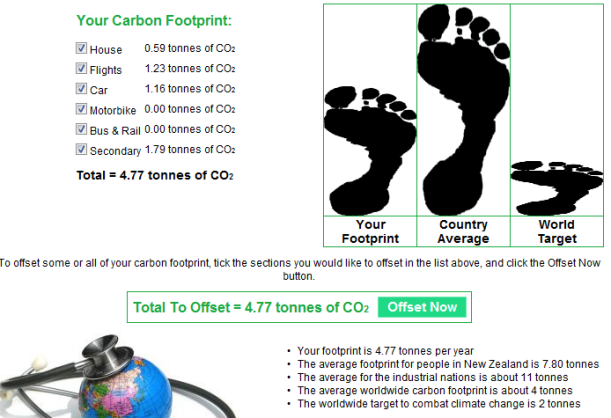
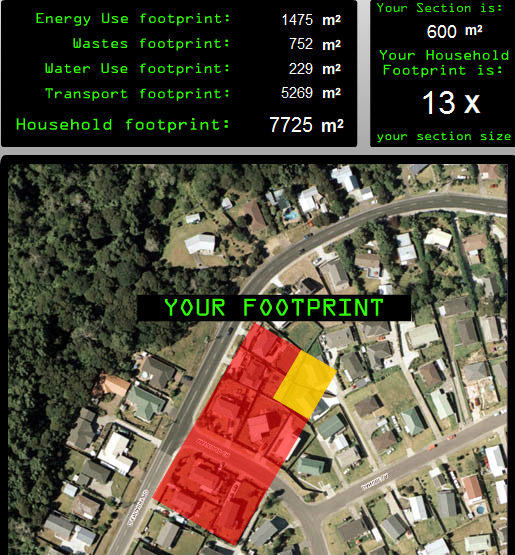
 NZ: 5 Global Hectares per capita in 2006


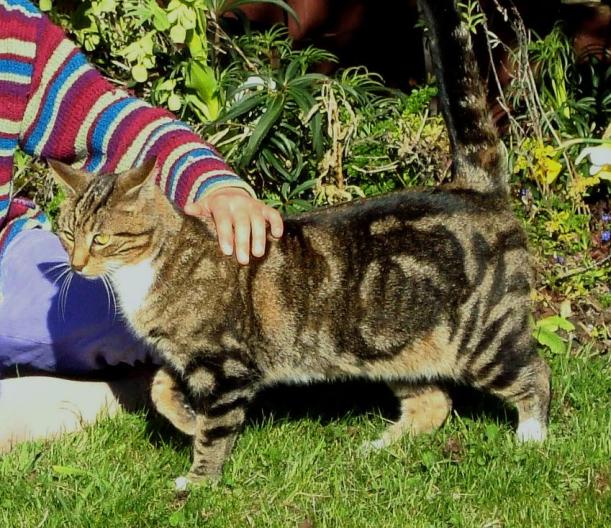
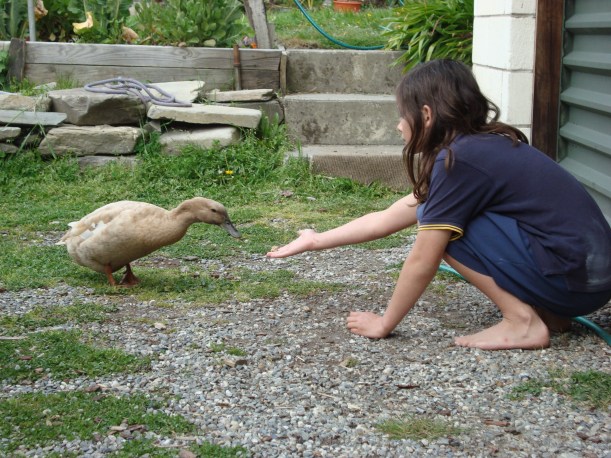 MAIA
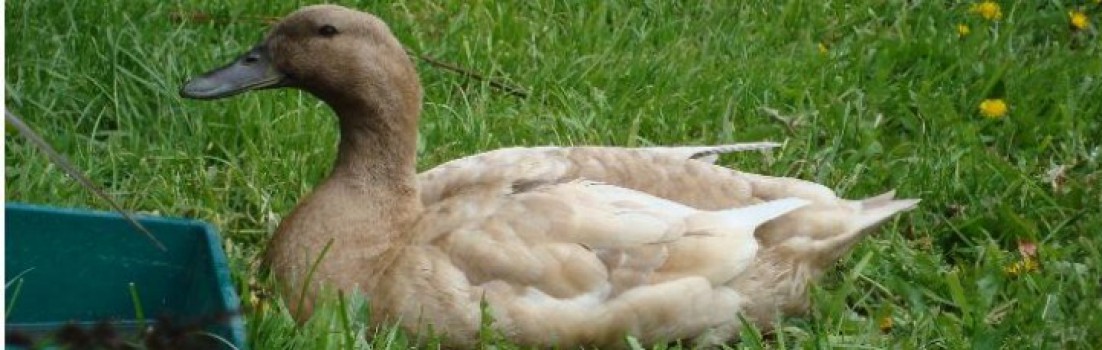
MAIA I luckily have a book about having poultry in the backyard so I found out that it likes: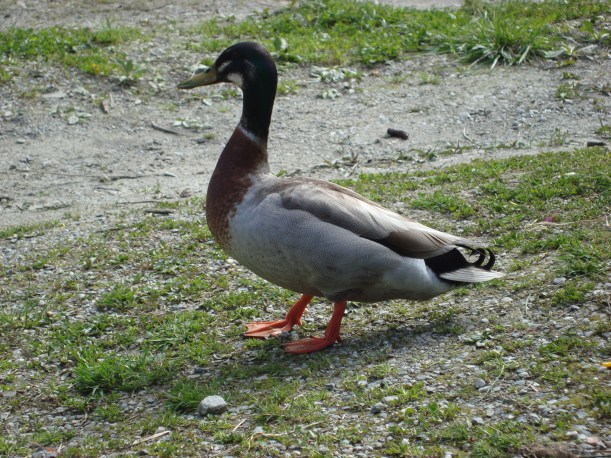
 Regenerative Livestyle Blog